Practical Outcomes of PES Membranes in Wine Filtration: Clearer Wine, Lower Risk, and Smoother Bottling
The purpose of wine filtration is not simply to make the wine “look clear.” For wineries and beverage plants, filtration must reliably address three operational problems: appearance stability (less haze return and sediment), microbiological control (lower risk of refermentation and bottle swelling), and bottling continuity (fewer line stops, less rework, steadier throughput). When filtration is unstable, common consequences include unusually slow batches, noticeable performance differences before vs. after bottling, and haze or gushing during shelf life—ultimately hurting brand reputation and channel confidence.
PES membranes are often used for fine filtration or final filtration steps, and in many aqueous systems they wet well and support favorable throughput. In wine applications, their value is frequently about “building stability”—helping the wine stay clearer while making bottling operations more controllable.
1. More stable clarity: reducing haze return and shelf-life appearance issues
Wine haze is not only about “large particles.” Residual yeast, fine suspended solids, colloids, and certain tartrate-related particles can all create appearance issues during transport, temperature changes, or storage. With an appropriate PES filtration grade, common outcomes include:
· Less post-bottling haze: improved appearance stability.
· Fewer complaints related to sediment or flocs: increased confidence at the channel level.
· Better within-batch consistency: smaller bottle-to-bottle differences support a more stable brand experience.
2. Lower microbiological risk: reducing refermentation, bottle swelling, and gushing
For wines with higher residual sugar or products that require longer shelf-life stability, microbiological control is critical. When final filtration is done well, it can significantly reduce yeast and bacterial load, leading to:
· Lower refermentation risk: fewer issues such as gas formation and gushing in the bottle.
· Lower probability of quality incidents: fewer cases of off-notes, haze, or sensory anomalies.
· Easier compliance with channel and export stability expectations: especially important when the supply chain cycle is long.
It’s important to note: filtration reduces risk, but it does not replace hygiene programs and filling controls. The more stable the filtration solution is, the better it can integrate with the overall sanitation system to deliver more controllable quality outcomes.
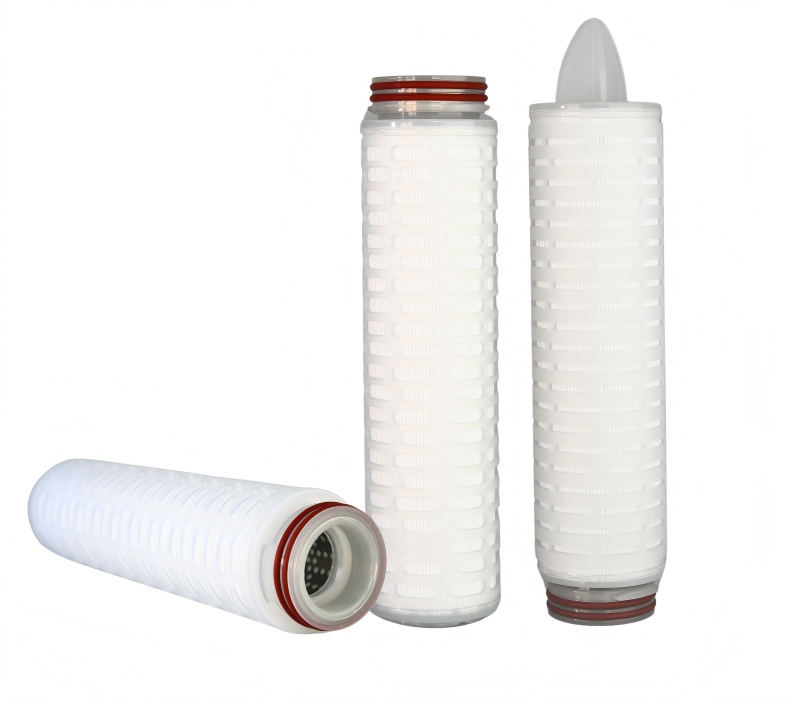
3. Smoother bottling: fewer line stops, fewer emergency change-outs
On a bottling line, the biggest concern is not “filter cost,” but line stoppage. Once a filter plugs, it may require draining, disassembly, cleaning, and re-verification—disrupting throughput, increasing labor pressure, and raising oxygen exposure risk. In many applications, better throughput performance with PES can bring:
· Longer continuous run time: the same filtration setup can run steadily for longer.
· More predictable ΔP rise: easier scheduling of change-overs and maintenance.
· Less operator intervention: reduced variability introduced by manual adjustments.
4. Flavor consistency is easier to protect: fewer disruptions, more consistency
Filtration is not meant to “change flavor,” but unstable filtration often increases rework, last-minute adjustments, and exposure to air—indirectly impacting flavor consistency. A smoother filtration process often leads to:
· Less rework and secondary treatment: flavor profiles are less likely to be disturbed.
· Fewer oxygen exposure opportunities: helpful for freshness and stability.
· Easier standardization: bottling performance becomes more consistent across shifts and dates.
5. Practical ways to get better results with PES (closer to real production)
1. Don’t treat the final membrane as a universal safety net: when wine turbidity is high or batch variability is significant, remove the main load first via prefiltration/depth media, then use PES for fine filtration or final stabilization—typically a far smoother path.
2. Trial first to find the most stable combination: run 2–3 comparisons on the same wine, focusing on continuous run time, clarity stability, microbiological control, and bottling throughput.
3. Write change-out points into the SOP: define ΔP or throughput thresholds to avoid reactive change-outs that stop the line.